31 March 2021
ENGRAVE scientists awarded JWST time
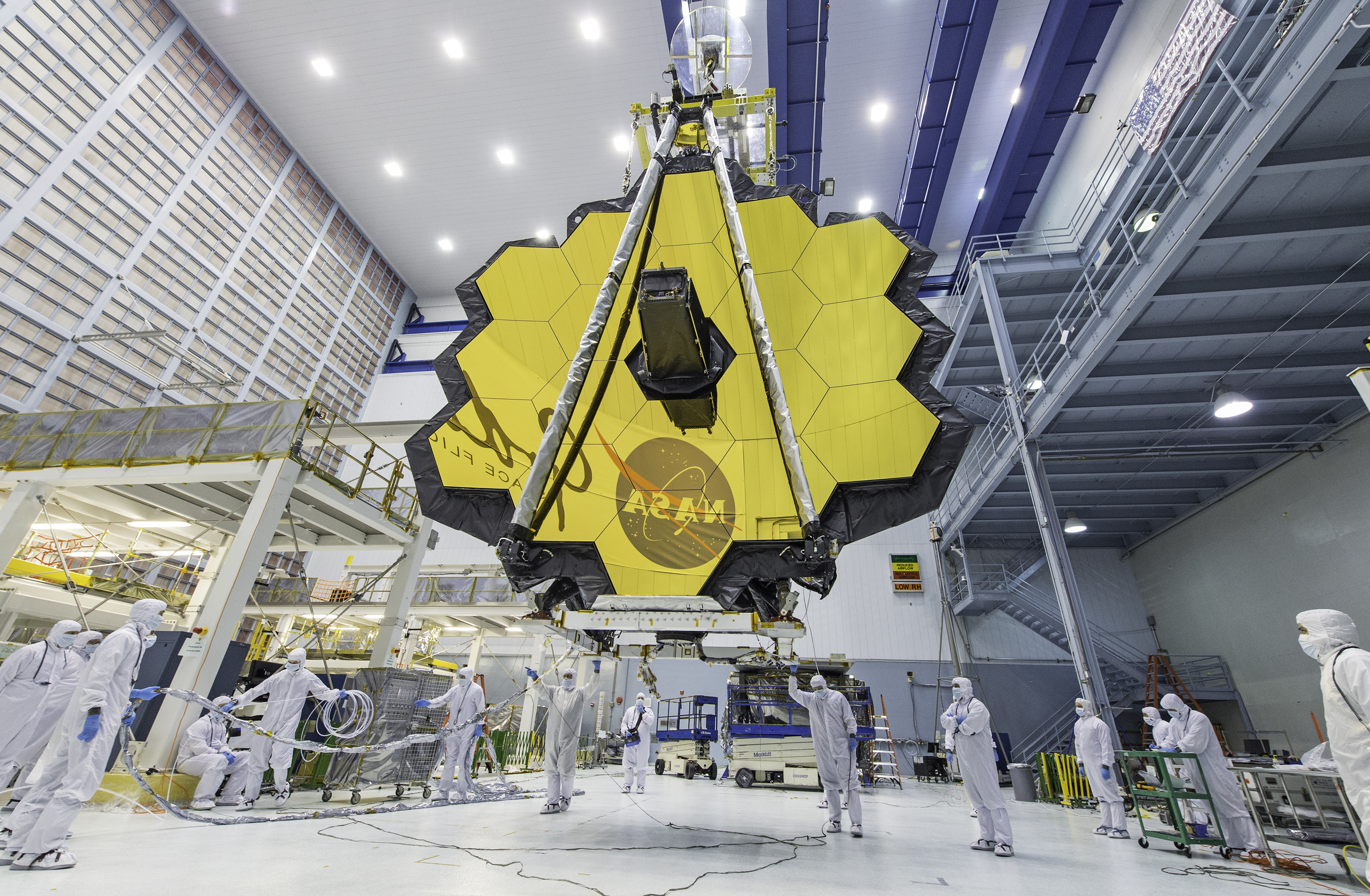 In the life of professional astronomers, it is a nail-biting moment when the results from a call for proposals are announced. But March 30, 2021, was a very special day, as the Space Telescope Space Institute announced the allocation for the first year (Cycle 1) of the James Webb Space Telescope (JWST). This is the forthcoming next-generation space telescope, due to be launched later this year, on October 31st (update: JWST was finally launched on December 25th, 2021), and a cornerstone mission in the history of astronomy.
07 February 2020
The needle and the haystack
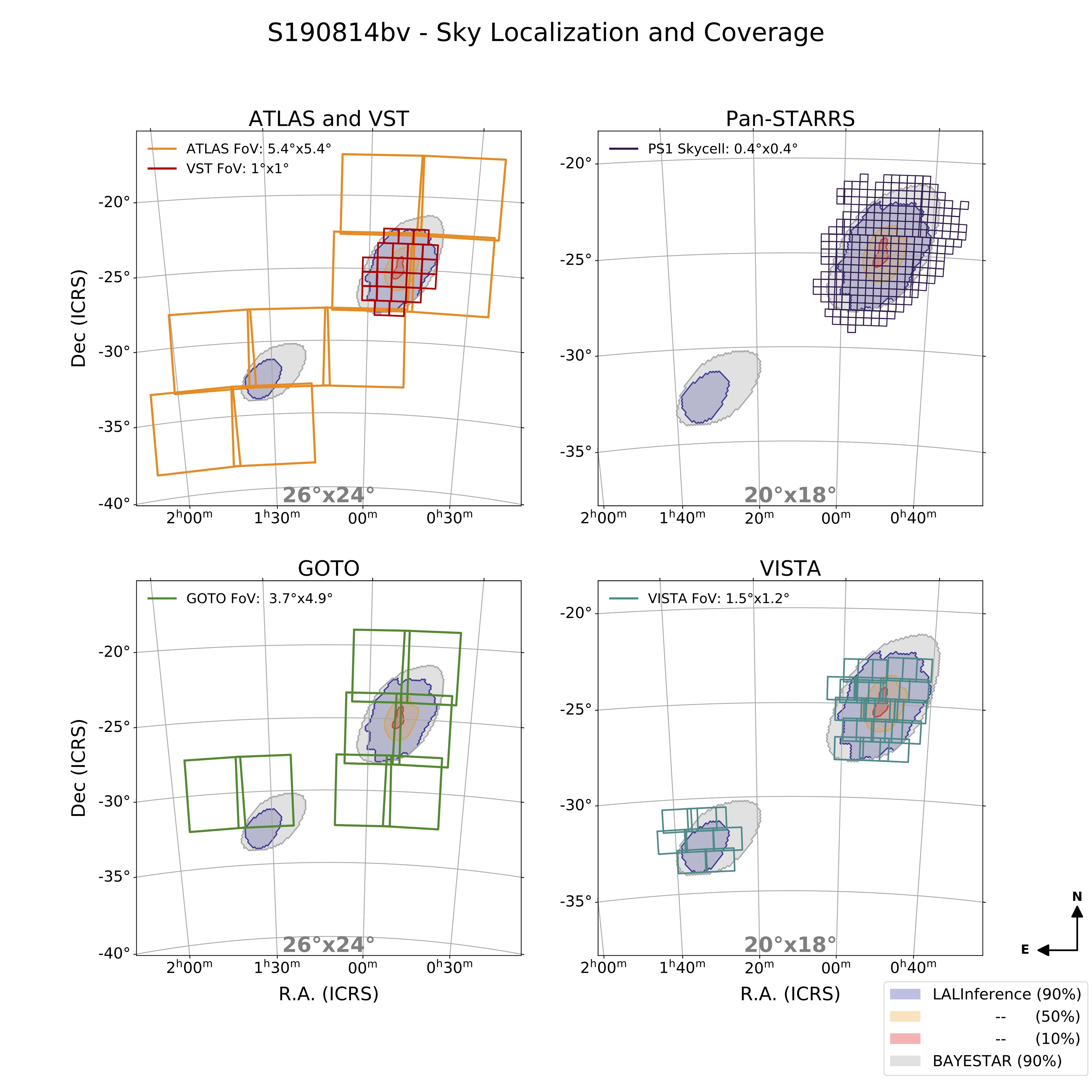 No firm electromagnetic counterpart of the first black hole / neutron star merger has been found by ENGRAVE. But the hunt continues!
15 November 2019
2nd ENGRAVE collaboration meeting
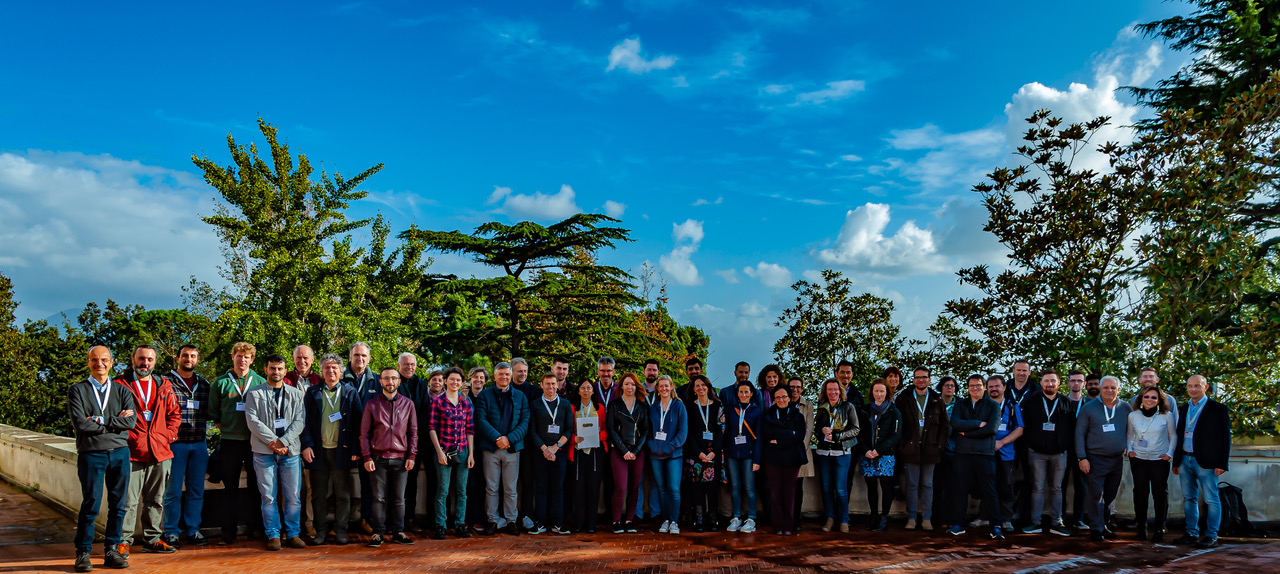 The second ENGRAVE all-hands meeting was held on November 12-14th, 2019, at the INAF Capodimonte Astronomical Observatory, Naples, under beautiful blue skies and the shadow of Vesuvius. We thank the local organisers led by Maria Teresa Boticella, Aniello Grado and their team of Fabio Ragosta, Pietro Schipani, Andrea Di Dato, Maria Teresa Fulco, A. Maiorica and R. Aiello. ENGRAVE thanks GRAWITA and the Instituto Nazionale di Astrofisica (INAF) for their generous support of the meeting, and the Director of the Capodimonte Observatory, Marcella Marconi, for hosting us.
24 September 2019
The mystery of AT 2019osy
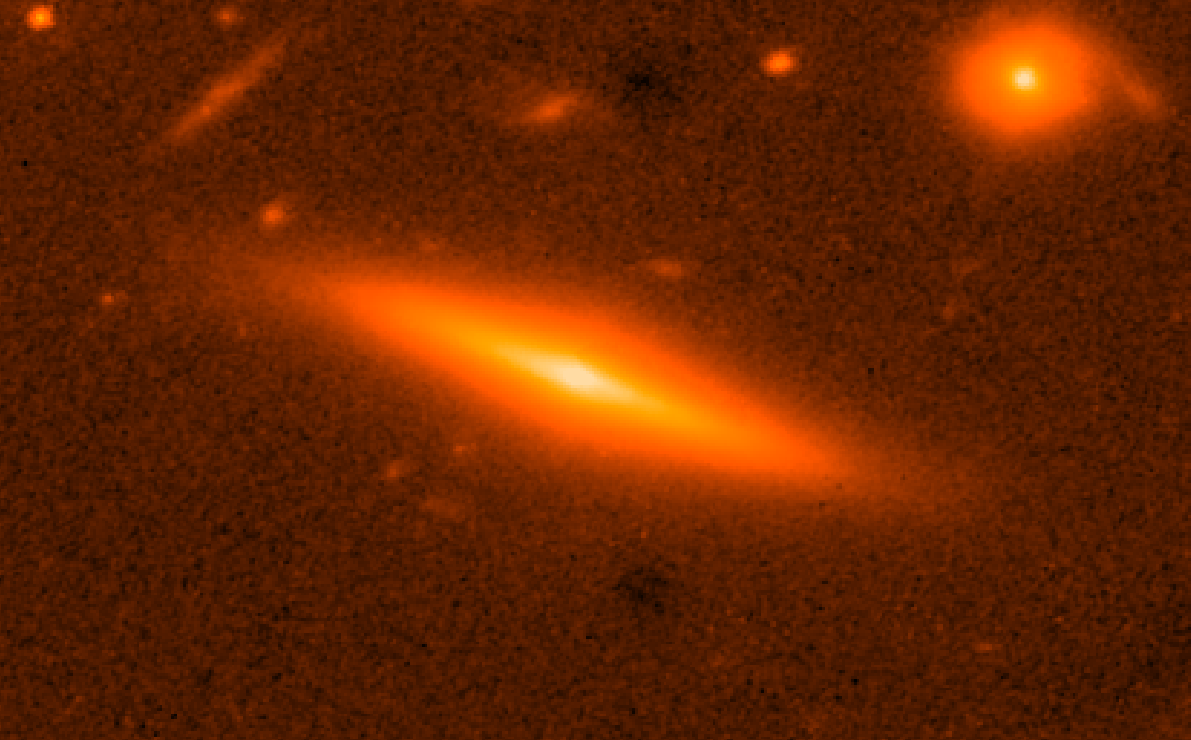 While searching for a counterpart to the gravitational wave event from August 14 (S190814bv), astronomers using the ASKAP telescope discovered an unusual transient in the radio band: AT 2019osy. Its nature is unclear, but its location within a galaxy and a rising radio flux made it worth searching for a kilonova event.
20 August 2019
First light of ENGRAVE and a potential NS-BH merger
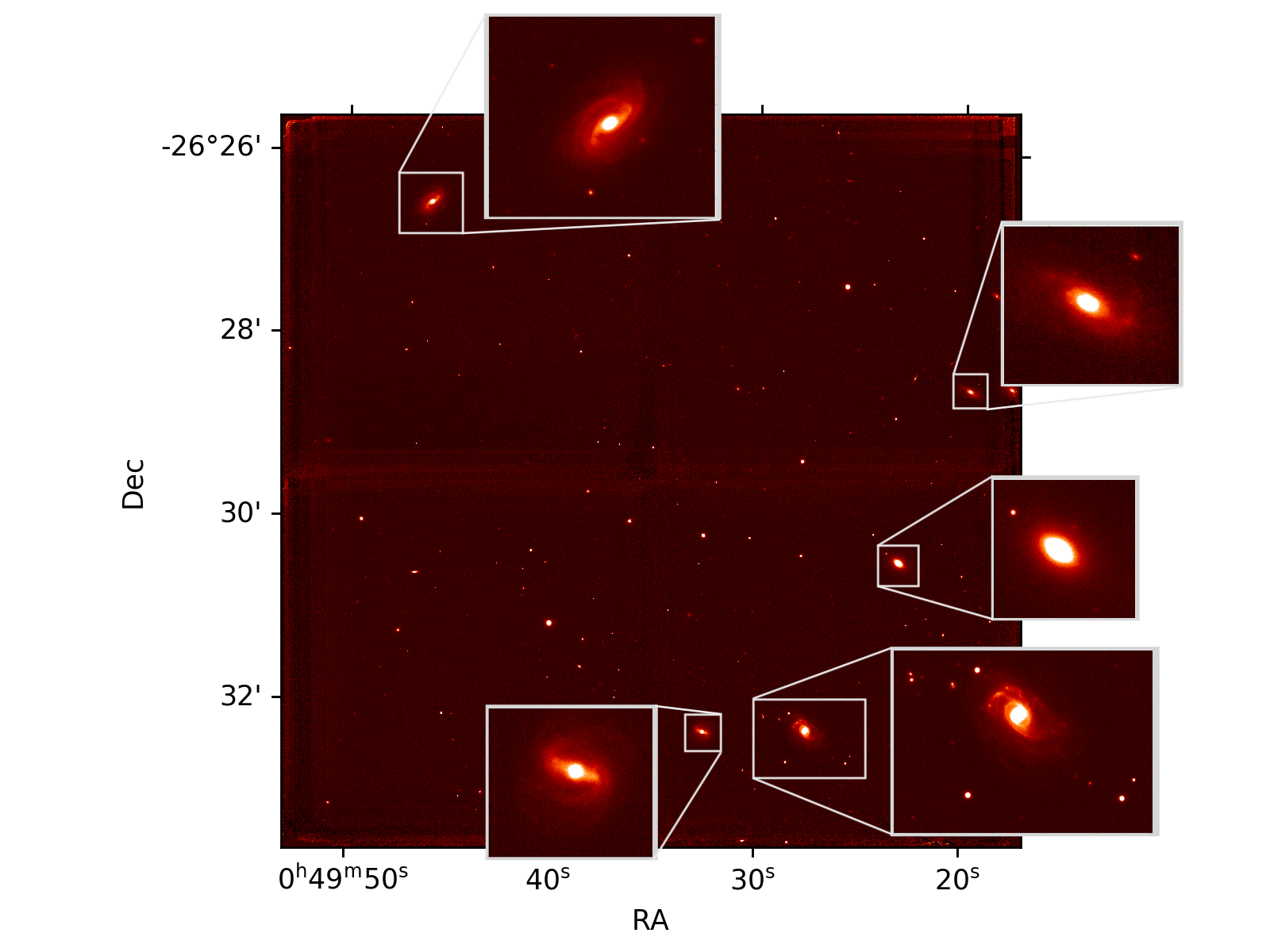 A few months ago, the hunt for gravitational waves as part of the third observing run (O3) was initiated by the Advanced LIGO and Advanced Virgo gravitational-wave detectors on April 1, 2019. Both detectors have been upgraded since they were last in operation and have already reported more than 20 gravitational-wave candidate events of either merging binary black holes or merging binary neutron stars.